Reviewed and updated November 13, 2026.
In short: AI development cost depends on a defined task and operating scope, not market price ranges. A credible estimate separates initial work from recurring operation, covers data, integration, evaluation and human review alongside model usage, and states its quantities, assumptions and exclusions so scope changes can be priced.
Request an AI development estimate from a defined task and operating scope. Broad market price ranges cannot tell you what your system will cost. Data preparation, integration, evaluation and ongoing ownership can matter as much as the model itself.
Specify the completed outcome, permitted actions, users, expected volume and difficult cases. Record systems, data rights, security needs and deployment constraints. An estimate should identify assumptions and exclusions so a later scope change can be assessed.
Initial work can include discovery, process design, data preparation, integration, evaluation, deployment and handoff. Recurring work can include usage or licenses, infrastructure, source maintenance, support, monitoring, evaluation and incident response. Include internal owner and reviewer time.
Model training is only one possible cost. A configured system using an existing model can still require substantial integration and operating work. A simple predictive baseline may meet the requirement without a large training pipeline.

For each line, record the quantity, unit, rate or effort assumption, source and uncertainty. Use actual supplier quotes or internal assumptions; do not present an invented price as a market benchmark.
Take a document assistant expected to process 4,000 documents per month. The estimate records documents per month, average input and output size, calls per document and expected retry or exception volume. It then applies the selected provider's current contracted units and rates.
Human review is estimated separately as eligible cases × review minutes × an approved labor rate. That is a planning assumption until a representative test measures it.
For managed services, include usage, limits and vendor obligations. For private infrastructure, include hardware or hosting, utilization, maintenance and expertise. Neither is universally cheaper. Compare the actual workload, data boundary, latency and support requirements.
Ask what would change the estimate: a new write action, additional data source, stricter quality criterion, peak volume or different retention requirement. Keep contingency tied to identified uncertainty rather than hide it in a favorable total.
Fund work that resolves the largest uncertainty before committing to full operation. Reconcile actual effort and spend with assumptions after each stage. A complete estimate explains what is included, who owns recurring work and how costs change with scope; it does not guarantee ROI.
For how exception handling and review shape the workload behind an estimate, see the use case Resolve invoice exceptions without bypassing payment controls.
What costs should an AI development estimate include? Initial work can include discovery, process design, data preparation, integration, evaluation, deployment and handoff. Recurring work can include usage or licenses, infrastructure, source maintenance, support, monitoring, evaluation and incident response, plus internal owner and reviewer time. For each line, record the quantity, unit, rate or effort assumption, source and uncertainty, using actual supplier quotes or internal assumptions rather than invented market benchmarks.
How do you estimate usage costs for an AI document assistant? Start from the workload: documents per month, average input and output size, calls per document and expected retry or exception volume. Apply the selected provider's current contracted units and rates. Estimate human review separately as eligible cases times review minutes times an approved labor rate, and treat that figure as a planning assumption until a representative test measures it.
Is private AI infrastructure cheaper than a managed AI service? Neither is universally cheaper. For managed services, include usage, limits and vendor obligations. For private infrastructure, include hardware or hosting, utilization, maintenance and expertise. Compare both on the same basis using the actual workload, data boundary, latency and support requirements, and identify what would change the estimate, such as a new write action, extra data source, peak volume or retention requirement.
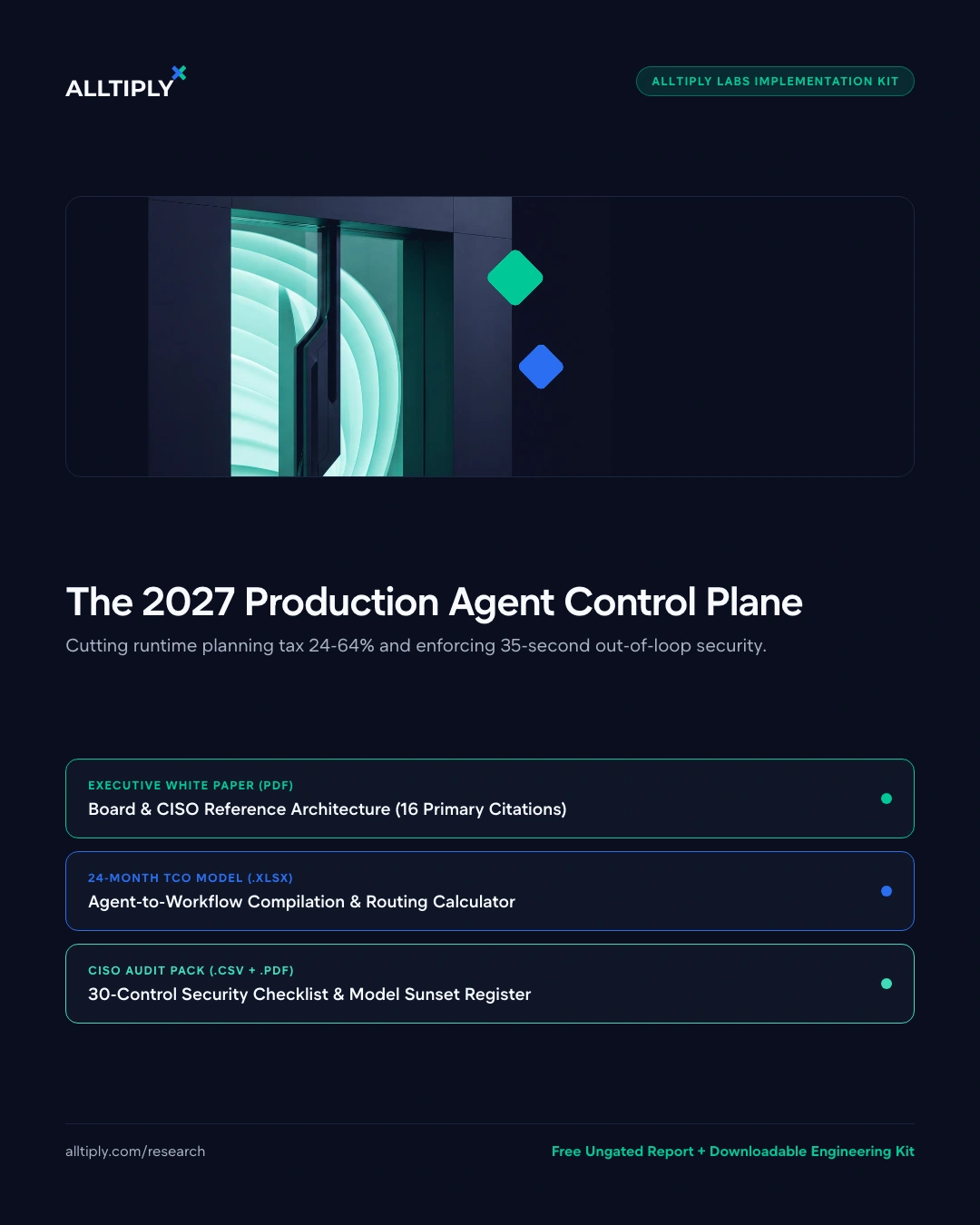
Includes the editable 24-Month Workflow Compilation & 5-Layer TCO Calculator (.xlsx), the 30-Control Release & Operations Checklist (.pdf), and the Model Sunset Register (.csv).
Bring the task scope, workload and known integration constraints. A review can identify the line items and uncertainty a useful estimate must cover. Explore ALLTIPLY AI roadmap and enablement, or book a call to discuss the workflow, systems and constraints you need to assess.


Optional Google Analytics stays off until you choose Accept analytics.